Reference Guide to Seasonings and Spices
Last Updated
A practical guide to using seasonings and spices in home cooking: light soy sauce, dark soy sauce, oyster sauce, star anise, cinnamon, Pixian doubanjiang, and sweet bean paste—explaining usage, measurements, and common pitfalls, with no specific brands recommended.
This article explains the general characteristics and practical techniques for using seasonings and spices; it does not recommend any specific brands and is intended solely as a reference for home cooking.
This seasoning guide is entirely based on my own long-term practical experience with home cooking—it’s not just a copy-and-paste of generic encyclopedia entries found online. The usage, measurements, and tips for avoiding common pitfalls regarding seasonings and spices have all been refined through repeated practice in home cooking. It’s ideal for beginners in home cooking, helping to solve common issues such as bitter flavors, bland dishes, dark discoloration, and unbalanced textures.
Table of Contents
- Light Soy Sauce
- Dark Soy Sauce
- Oyster Sauce
- Star Anise
- Cinnamon Bark
- Pi Xian Douban
- Sweet Bean Paste
- Common Mistakes & FAQs
On Cooking Disasters
Let’s start with something practical. When I was just learning to cook, the dumbest thing I ever did was make braised pork. Afraid it wouldn’t brown properly, I poured in nearly half a bowl of dark soy sauce. When I took it off the stove, it was as black as a coal ball. I picked up a piece, took a bite, and my mouth was filled with bitterness—so I dumped the whole pot right down the drain. Later, I gradually figured it out: when it comes to seasonings, more isn’t always better; the key is to understand the “temperament” of each one.
The following tips are all things I’ve figured out through trial and error, pot by pot. If you follow them, you’ll at least be able to avoid the pitfalls I stumbled into back then.
Light Soy Sauce
Light soy sauce is the most frequently used seasoning on my kitchen stove. It’s primarily salty and savory, with a light color that doesn’t overpower the natural flavors of the ingredients. It’s perfect as a base for stir-fries, cold salads, dipping sauces, and clear soups.
But it has one drawback: it doesn’t hold up well to high heat. If you keep it on the heat from start to finish while simmering, the umami-enhancing compounds get destroyed. The savory flavor won’t come through, and instead, a bitter aftertaste will develop. I’ve tested this many times—the same dish tastes completely different depending on whether I add it right before serving or at the very beginning.
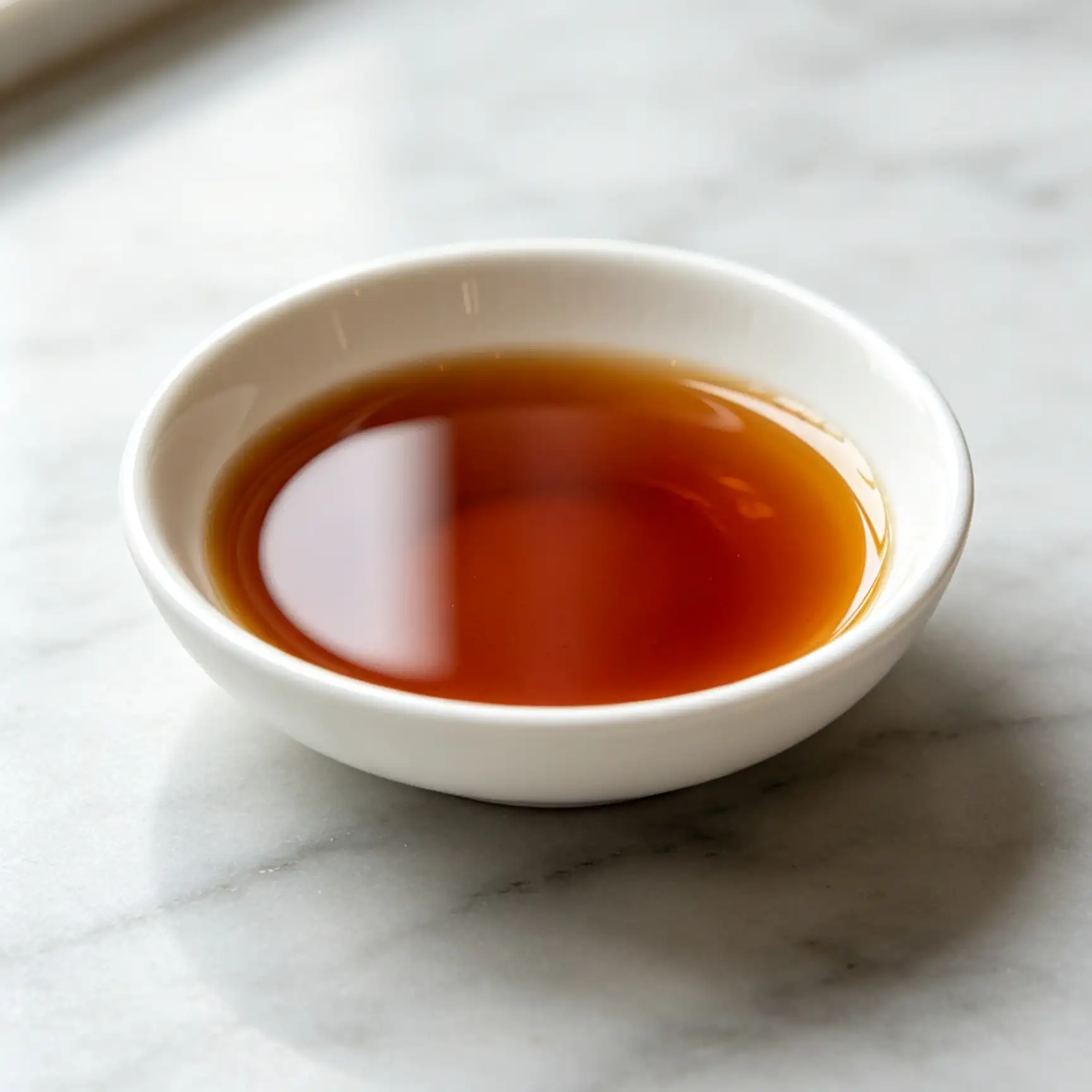
My Method When stir-frying, I usually add it during the final stage of reducing the sauce—about 30 seconds before removing the dish from the heat. Give it a quick toss to mix evenly, then plate it immediately to lock in the umami and sweetness most effectively. If anyone in your household needs to watch their salt intake, you can buy a reduced-sodium version of light soy sauce, but be careful—you’ll need to reduce the amounts of other salty seasonings (salt, oyster sauce, and doubanjiang) accordingly, otherwise the combined saltiness will still exceed the recommended limit.
Signature Dishes on This Site
- Mapo Tofu
- Yangchun Noodles
- Stir-Fried Asparagus and King Oyster Mushrooms
- Home-Style Stir-Fried Noodles
Dark Soy Sauce
Think of dark soy sauce as a “paint” rather than a “seasoning.” It contributes almost no saltiness or umami; its sole purpose is to add color to dishes, making braised pork and marinated dishes look rich, glossy, and appetizing.
I’ve seen many beginners (including myself back in the day) who think that the more dark soy sauce they add, the deeper the color and the more flavorful the dish will be. The result is a dish that turns black and dull, with a cloudy sauce and a bitter aftertaste. For a typical home-cooked meal, half a teaspoon to one teaspoon is enough to achieve the desired color. Leave the saltiness and umami to light soy sauce and salt—adding too much dark soy sauce will only ruin the dish without enhancing the flavor at all.
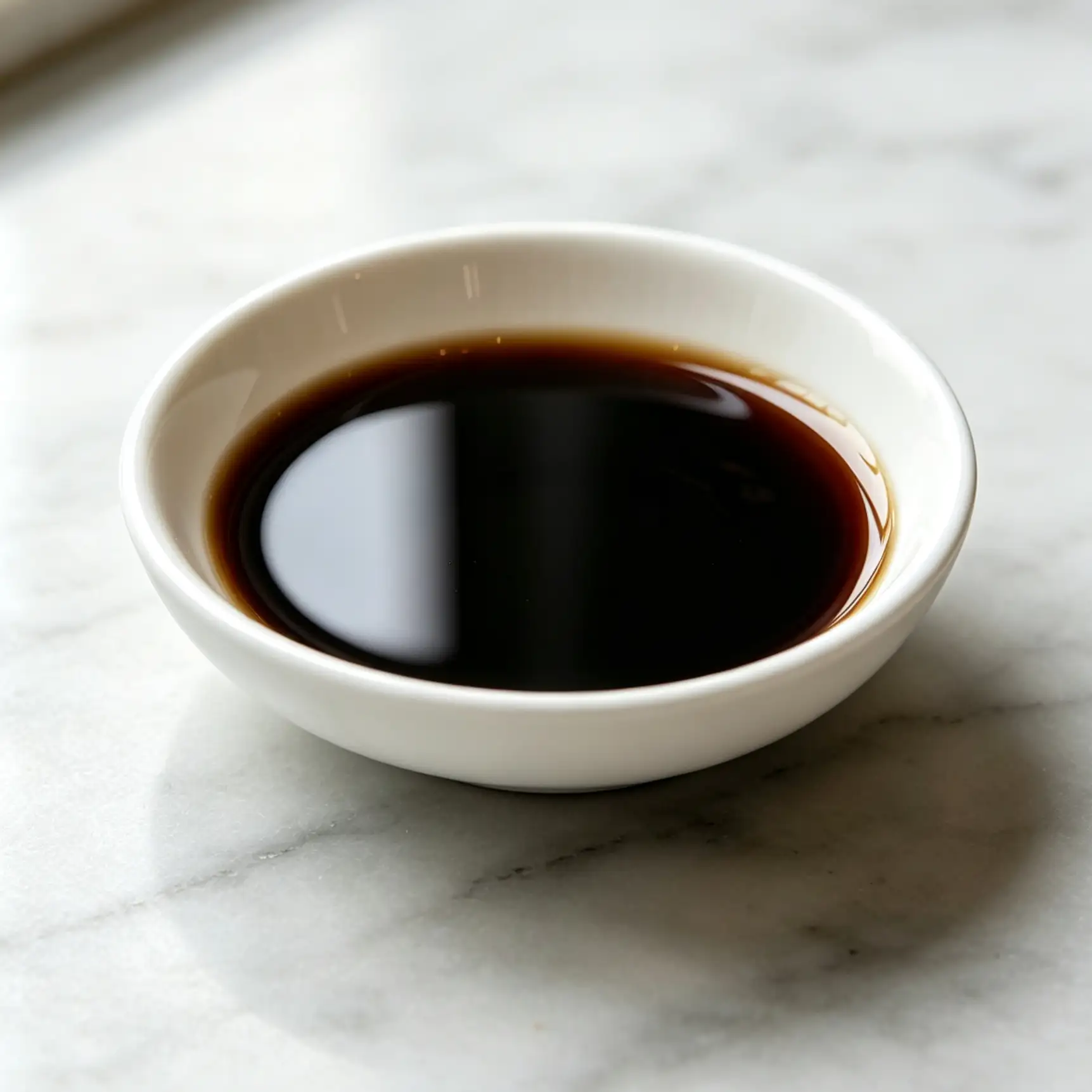
My Approach In braised dishes, dark soy sauce is only used for “appearance”; the saltiness and umami come from light soy sauce. If you happen to be out of dark soy sauce, you can make a caramel sauce with a small amount of rock sugar to add color instead—don’t try to substitute with light soy sauce, as the color will be completely off.
Signature Dishes on This Site
- Dongpo Pork
- Chili Pepper Fish Head
- Home-Style Stir-Fried Noodles
- Pork Ribs with Potatoes and Green Beans
Oyster Sauce
Oyster sauce, when used correctly, really enhances the flavor of a dish; when used incorrectly, it can make the whole dish taste flat and dull. Its umami flavor is particularly sensitive to high heat. If you add it to the pan right at the start and stir-fry over high heat or simmer for too long, the umami is lost, and it can even develop a strange, musty odor.
The first time I used oyster sauce to stir-fry greens, I added it to the pan early on along with light soy sauce. The result was a dull color and a flavor that lacked freshness. It wasn’t until later that I figured out oyster sauce should be added last. It naturally brings a sweet umami flavor and a rich, smooth texture, coating greens, beef, and seafood in a rich, full-bodied sauce. However, it’s quite salty—a hidden source of salt—so if you add light soy sauce and doubanjiang at the same time, the salt content can easily become too high.
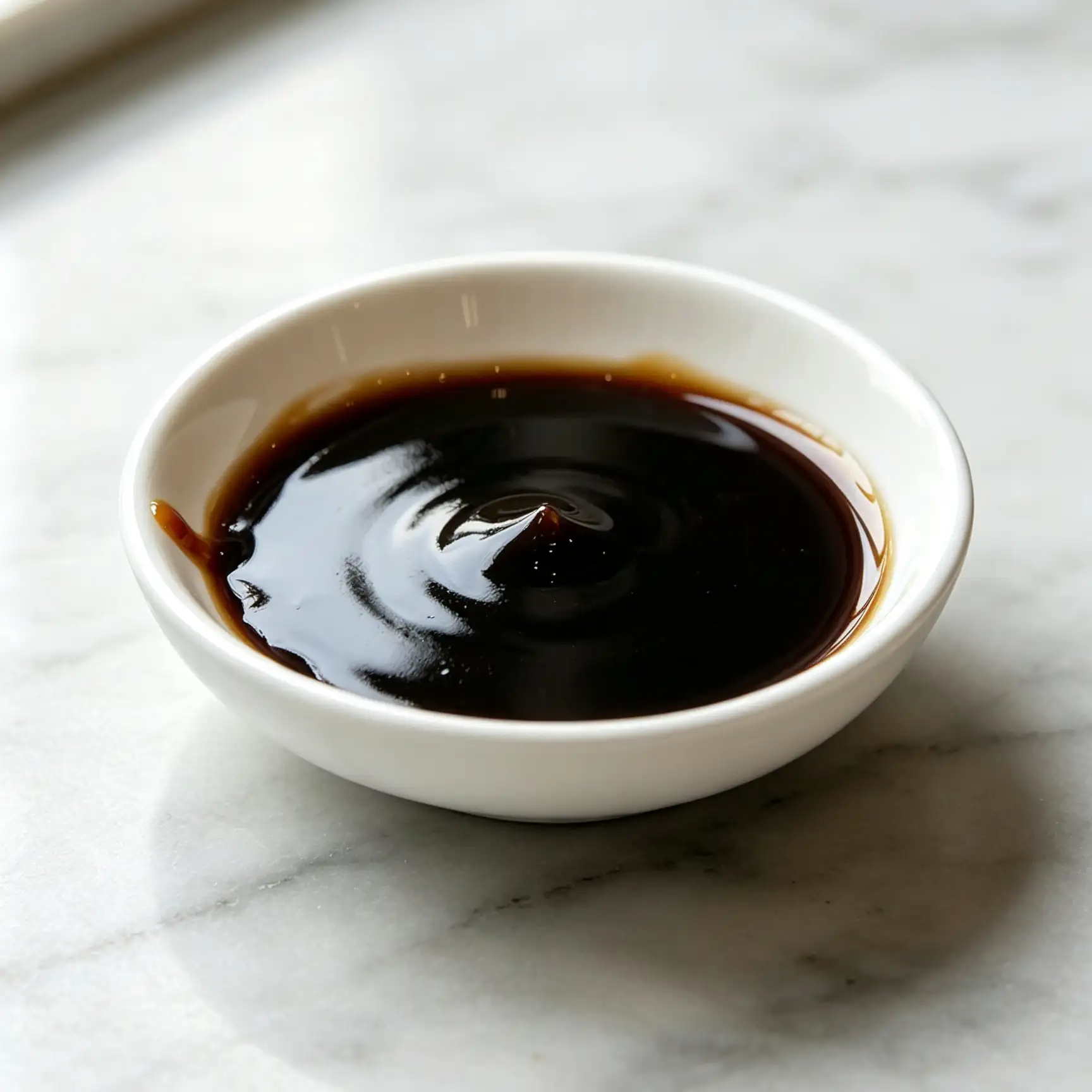
My Method After turning off the heat, turn the burner back to the lowest setting, then add the oyster sauce. Toss quickly for about ten seconds and serve immediately—this preserves the umami flavor best. Vegetarians can substitute with vegetarian oyster sauce or mushroom sauce; the taste difference in home-cooked dishes is negligible.
Signature Dishes on This Site
Star Anise
Star anise has a very strong aroma. Used sparingly, it can remove fishy odors and enhance flavor, adding an extra layer of richness to braising broths and stewed meats. But be careful not to use too much—1 to 2 pods are enough for a pot of home-style cooking. I once threw four or five of them into a pot of braised beef; when it was done, it had a strong, herbal smell that completely overpowered the meat’s natural flavor, making it taste really strange.
Of course, if you’re making a large pot of braising broth for dozens of servings, you can add a bit more. But for a small, home-style pot, be sure to use only a small amount.
Another detail that’s easy to overlook: it’s best to remove the star anise after stewing. If left soaking in the broth, it will continue to release bitterness and a medicinal flavor, which intensifies the longer it soaks. If you braise the meat overnight, be sure to remove all the spices before eating the next day—this will make the flavor much milder.
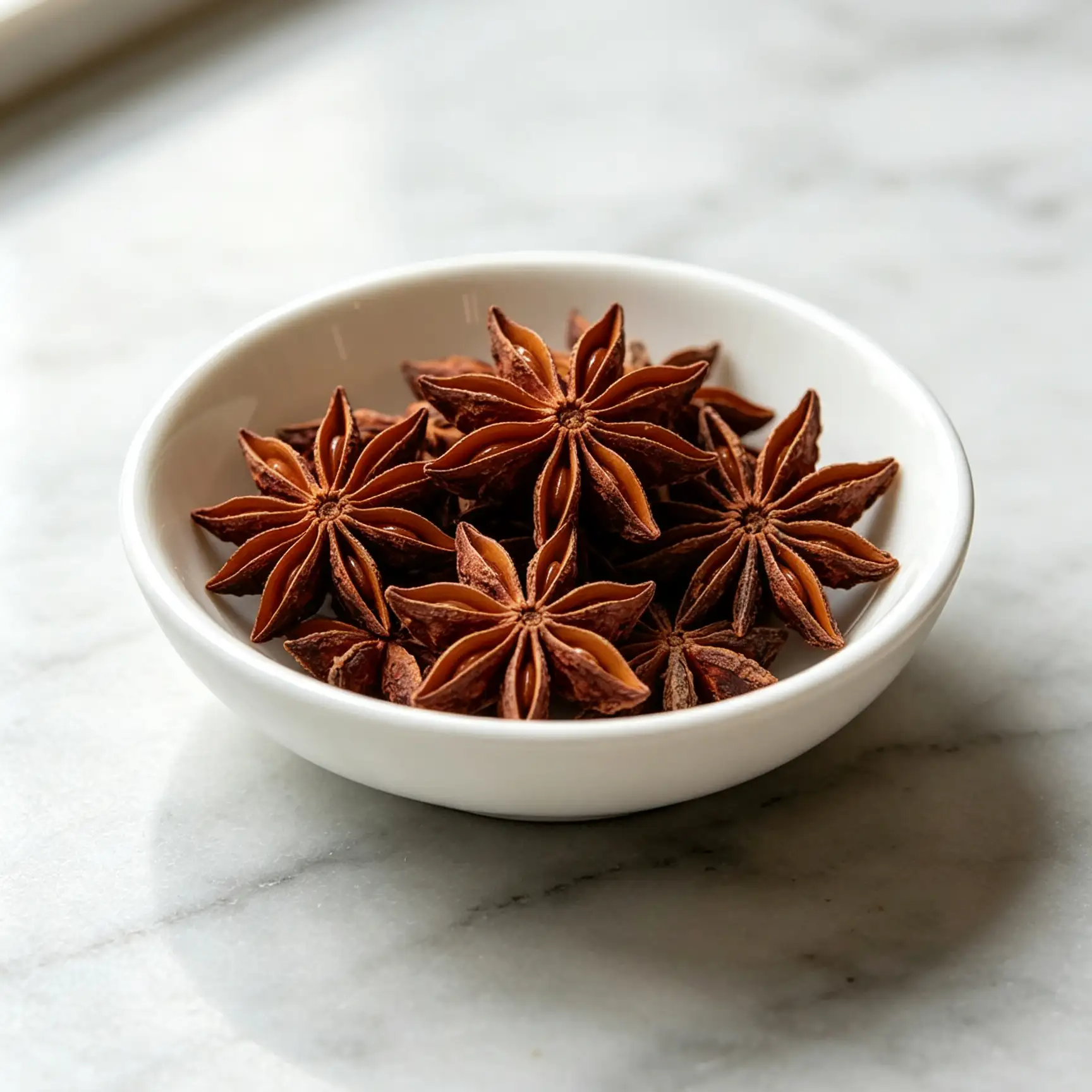
My Method For braised pork belly, braised beef, and braised spare ribs, I always use only 1–2 star anise pods, which I remove with chopsticks and discard just before plating. I generally don’t add star anise to stir-fry dishes, as its flavor is too overpowering.
Signature Dishes on This Site
Cinnamon
Cinnamon and star anise are a classic pairing, perfect for slow-simmering together. Cinnamon has a naturally mellow, sweet aroma that cuts through the greasiness of meat, enriching the base flavor of braised pork, marinated eggs, and stewed beef or lamb.
However, cinnamon is a classic example of “too little and it’s flavorless; too much and it’s bitter.” It’s best to buy whole sticks rather than powder. Powder is highly concentrated—even the slightest tremor of the hand can make it bitter—while whole sticks are easier to control; a small piece is all you need. I once tried adding an entire large cinnamon stick while braising beef brisket, and the result was so bitter that the broth was undrinkable; I had to add water and re-season it to salvage the dish.
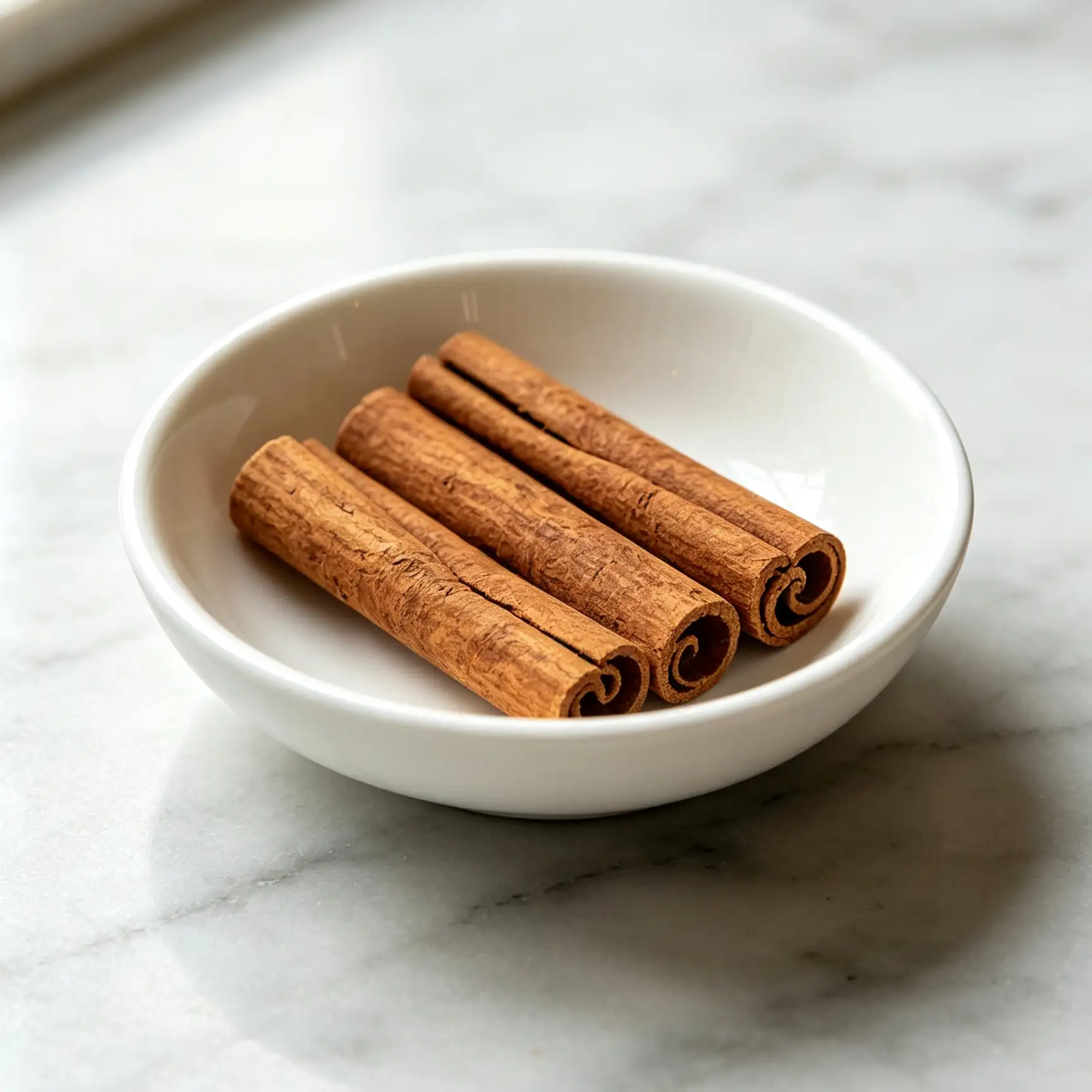
My Method For home-cooked dishes, a small piece of cassia bark—about the length of your little finger—is sufficient. Add it to the pot along with star anise, and remove both together once the dish is done; don’t leave them in the broth overnight. There’s no need to add cassia bark to dishes that are stir-fried for a short time, as the aroma simply won’t have a chance to develop.
Featured Dishes on This Site
Pixian Douban
The soul of home-style Sichuan cuisine is Pixian Douban, but many people find their dishes lack aroma, are too salty, or have an overpowering spiciness—problems that almost always stem from how the bean paste is prepared.
This paste is fermented, so it’s very salty and has a raw, astringent flavor. If you add it to the pan without preparing it first, the finished dish will likely be too salty and astringent. The correct method is to chop it finely before adding it to the pan (the whole broad beans sold in supermarkets are too large; if not chopped, they won’t cook evenly), then sauté it slowly over low heat until the oil turns red and the aroma of the paste wafts up—only then should you add the other ingredients. This step requires precise heat control; if the heat is too high, the douban will burn and become bitter.
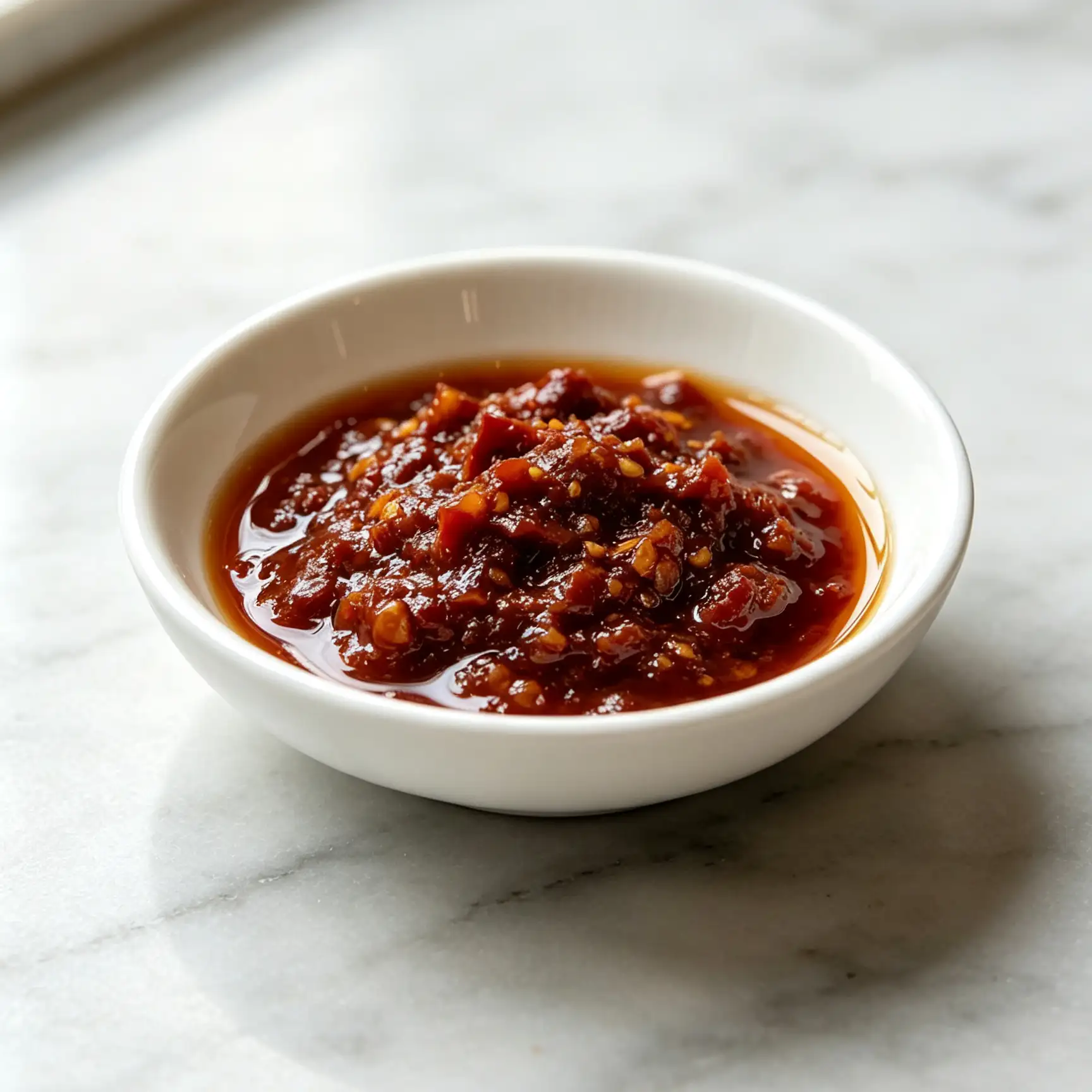
My Method Heat a cast-iron skillet, add oil, and stir in the chopped broad bean paste over the lowest heat, stirring constantly. Once the oil turns a bright red and the aroma of the paste is released, turn the heat to medium and add the sliced meat or tofu. Remember: if you use broad bean paste, reduce the amount of light soy sauce and salt, as it’s already quite salty on its own.
Signature Dishes on This Site
Sweet Bean Paste
Sweet bean paste, oyster sauce, and doubanjiang are three completely different condiments—never mix them up. Sweet bean paste is characterized by its fermented, savory aroma and a mild, sweet-and-salty flavor; it has no seafood notes and isn’t spicy. It’s the key ingredient that enhances the flavor of dishes like Beijing-style Shredded Pork with Sweet Bean Paste, Zha Jiang Mian, and Peking Duck served with pancakes.
This sauce has a particularly thick consistency, so adding it directly to the pan can easily cause it to clump and burn. At home, I usually start by mixing it with a small amount of warm water or cooking oil to thin it into a smooth paste before adding it to the pan to stir-fry. This ensures the finished sauce is smooth and even. Also, keep in mind that sweet bean paste is naturally sweet, so if a recipe calls for additional sugar or honey, be sure to reduce the amount—otherwise, the dish will be overly sweet and cloying.
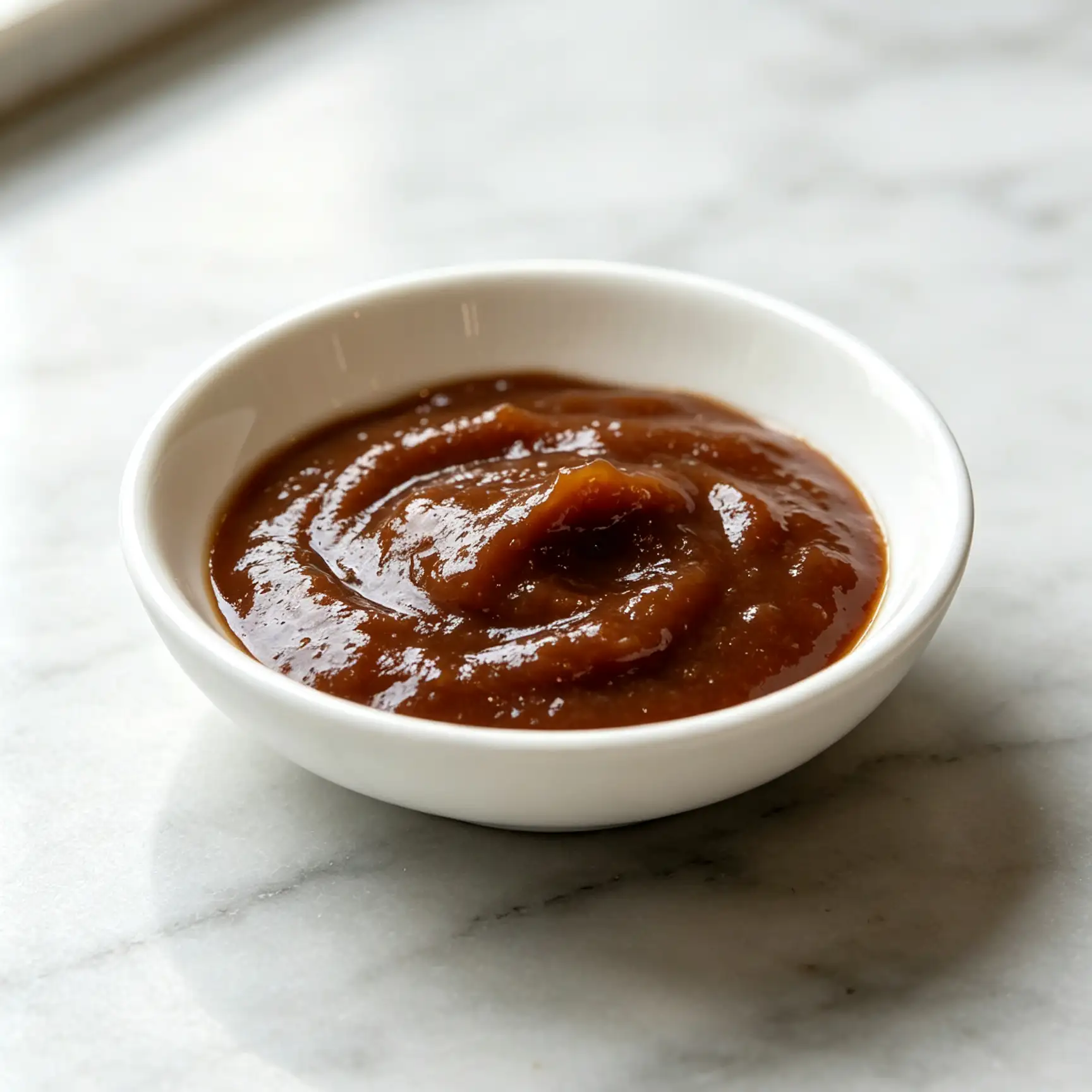
My Method When making zhajiang noodles, mix sweet bean sauce and dry yellow bean paste in the correct proportions and dissolve them in warm water beforehand. This ensures the sauce turns out smooth and doesn’t stick to the pan.
Signature Dishes on This Site
FAQs on Common Mistakes with Home Cooking Seasonings
I’ve compiled the most frequently asked questions over the years—these are real issues you’ll encounter in the kitchen, not generic Q&As you’d find with a quick online search.
Q1: Can light soy sauce and dark soy sauce be used interchangeably?
No. One provides saltiness and umami, while the other adds color—their functions are completely different. If you don’t have dark soy sauce at home, you can caramelize rock sugar to add color instead; if you don’t have light soy sauce, never use dark soy sauce for seasoning—it will turn the dish black and give it an odd taste.
Q2: What should I do if I’ve added too much oyster sauce and the dish tastes greasy or too salty?
Add a small amount of water or broth, then simmer over low heat to reduce the sauce slightly. This will cut some of the saltiness and greasiness. After that, don’t add any more salty seasonings. Don’t try to mask the taste with sugar—that will create an even stranger, cloyingly sweet flavor. I’ve tried it, and it’s awful.
Q3: Why do braised dishes taste like Chinese herbal medicine when I use star anise and cinnamon?
Most likely, you used too much, or the spices were left soaking in the broth without being removed. For home braising, 1–2 star anise pods and a small piece of cinnamon are sufficient. Be sure to remove all the spices promptly after braising is complete—don’t leave them in overnight.
Q4: What should I do if I can’t get the red oil to come out when stir-frying Pixian doubanjiang, and it tastes raw and astringent?
The heat is too high, and the paste may not have been chopped finely enough. Be sure to use the lowest heat and stir-fry slowly, allowing the oil temperature to gradually draw out the red oil and eliminate the raw paste flavor. Stir-frying over high heat will only cause it to burn, and once it’s burnt, it becomes bitter and cannot be salvaged.
Q5: How should I store seasonings after opening them?
Wet sauces like oyster sauce, doubanjiang, and sweet bean sauce must be refrigerated after opening, as they’re prone to mold at room temperature. Dry spices like star anise and cinnamon can be stored in an airtight container away from light on a shelf, but try to use them within a year—if left too long, they’ll lose their aroma and be practically useless.
Q6: As a beginner, I have no sense of how much seasoning to use—how do I know if I’m adding too much or too little?
Remember these two rules: Add seasonings in small amounts and in stages—start with two-thirds of the amount, then taste and adjust as needed; when it comes to spices, it’s better to use less than too much. You can adjust the flavor if it’s too salty or too bland, but once it’s too salty, it’s basically impossible to salvage. This principle is the most helpful for beginners.